Gutter Cleaning Hackettstown: Protecting Homes One Season at a Time
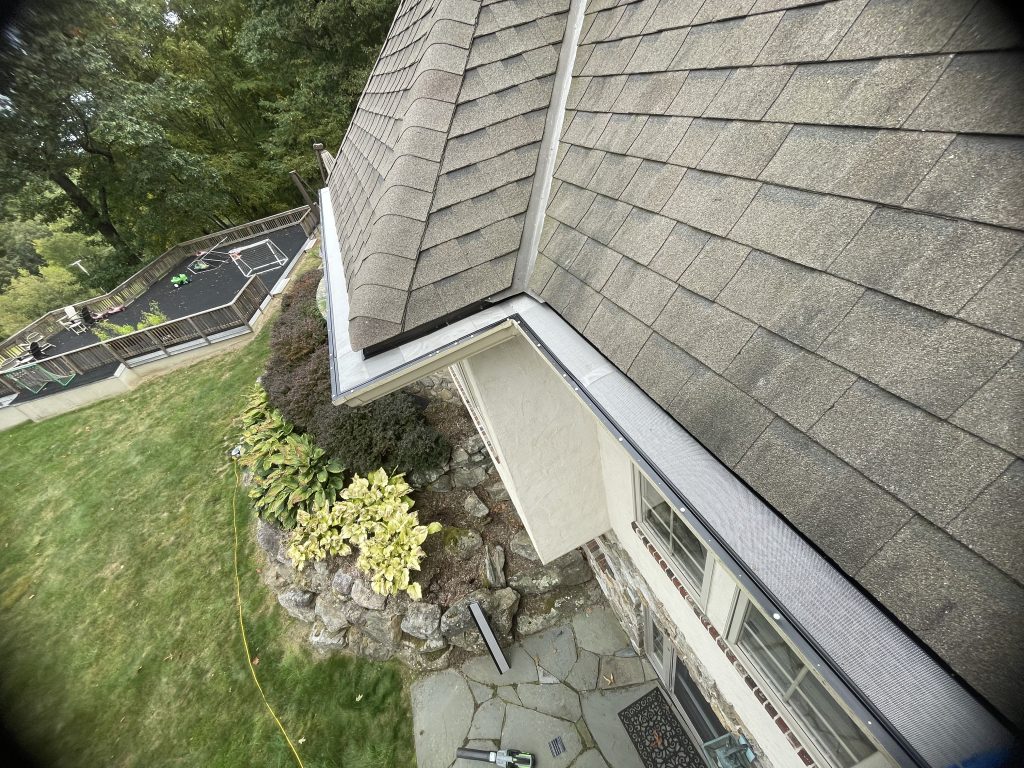

Hackettstown homes deal with a little bit of everything. Heavy spring rain, humid summer growth, falling leaves, winter freeze-thaw cycles, and the kind of sudden storm that turns a quiet afternoon into a test of every drainage system on the property. Gutters sit right in the middle of that fight. When they work, most homeowners barely notice them. When they fail, the signs show up fast, and usually in places that cost real money to repair.
That is why Gutter Cleaning Hackettstown is not a cosmetic service or a once-in-a-while chore. It is preventive maintenance with direct consequences for the roofline, siding, foundation, landscaping, and even indoor moisture levels. A clogged gutter does more than spill water over the edge. It redirects water to places the house was never designed to handle.
Anyone who has spent time maintaining homes in this part of New Jersey has seen the pattern. A gutter fills with oak leaves, maple seeds, pine needles, and roof grit. The downspout starts slowing. Then one stretch of gutter begins to hold standing water. The fascia stays wet longer after rain. In the cold months, that trapped water freezes. By late winter or early spring, the homeowner notices a stain, a sag, a loose spike, a washed-out flower bed, or a leak at a corner where the water kept forcing itself behind the system.
Most of those headaches start small. That is also the good news. With timely cleaning and a little seasonal awareness, many of them stay small.
Why gutters matter more than people think
A roof sheds water by design. Gutters are the handoff point between the roof and the ground drainage. If that handoff fails, the whole water-management chain breaks down. Instead of moving away from the home, rainwater pours over edges, runs down walls, pools near the foundation, and saturates soil where it should stay relatively dry.
On a dry summer day, a clogged gutter may not look urgent. During a steady storm, it becomes a different story. Water is heavy. Debris gets heavier when soaked. Long runs of gutter are attached to fascia boards that were never meant to support a trough full of wet leaves and standing water for weeks at a time. The hardware starts pulling, seams open up, and slope can shift just enough to trap more debris. It becomes a self-reinforcing problem.
For older homes, the stakes can be even higher. Many older roof edges and fascia details are less forgiving when water repeatedly backs up. Even on newer homes, overflow can stain siding, damage trim, and create muddy trenches below the drip line. If there is mulch, decorative stone, or planting beds around the perimeter, overflow can scatter all of it in one hard rain.
The hidden issue is often the foundation. Water that keeps dropping at the same spot beside the house can work its way downward over time. Not every wet patch becomes a structural concern, but recurring saturation is not something to shrug off. Basements and crawl spaces do not always announce the problem immediately. Sometimes it shows up later as musty air, efflorescence on foundation walls, or seasonal dampness that seems to come out of nowhere.
What makes Hackettstown homes vulnerable
Hackettstown sits in a part of New Jersey where the seasons actually behave like seasons. That sounds obvious, but it matters for exterior maintenance. Homes here can go from spring pollen and seed drop to dense summer growth, then straight into a heavy leaf season followed by winter ice. Gutters catch all of it.
Tree cover is one of the biggest variables. A house with only a few ornamental trees in the yard may be easy to maintain. A house tucked among mature maples, oaks, or pines is different. The problem is not only volume. Different debris behaves differently. Large leaves mat together and dam water. Pine needles weave themselves into compact clumps that sit stubbornly in corners and outlets. Seed pods and roof granules collect in downspouts and elbows where a quick visual check will not spot them.
Roof pitch and gutter design also affect how often cleaning is needed. Steeper roofs shed water fast, which can push debris aggressively into low spots and outlets. Long gutter runs that feed into a single downspout can overload more easily than shorter, simpler layouts. Valleys are another trouble area. Wherever two roof planes dump into one section, the gutter below tends to receive more water and more debris than the rest of the system.
Shaded homes often stay damp longer, which encourages organic buildup. Sun-exposed homes may dry faster, but they can also bake debris into dense, hard-packed material that does not wash out naturally. There is no single schedule that fits every property. That is why local judgment matters more than a generic recommendation pulled from a national checklist.
The seasonal rhythm of gutter cleaning
The smartest way to think about gutter maintenance is season by season. Each part of the year puts a different type of stress on the system, and each deserves a slightly different approach.
Spring brings volume and runoff
Spring cleaning is often less about leaves and more about what winter left behind. Small twigs, seed casings, roof grit, and compacted decomposed debris tend to settle into the trough. If ice sat in the gutters over winter, hangers and seams may have shifted. This is the season when a lot of homeowners first notice overflow because the rain becomes more regular.
Spring is also the time to check downspout flow. A gutter can look fairly clear from above and still have a blocked downspout elbow. If water is backing up during a moderate rain, the obstruction is often lower in the system than expected.
Summer hides problems in plain sight
Summer can fool people into thinking the gutters are fine. There may be fewer dramatic leaf drops, and storms can be isolated. But summer is when neglected debris starts turning into a wet organic mat. In shaded areas, that buildup can support mildew, insects, and small plant growth. It is not unusual to see gutters sprouting little weeds by midseason when maintenance has been skipped long enough.
This is also when strong thunderstorms reveal weak points. A system that seems acceptable during a light rain may overflow at corners or spill over low sections when a fast storm hits. Summer inspections are useful because they catch issues before fall loads the system even further.
Fall is the obvious danger season
Most homeowners already understand that fall means leaves, but timing matters. Cleaning too early can mean doing the same work twice. Cleaning too late can mean heading into freezing weather with a partially blocked system. In tree-heavy areas, one fall visit is sometimes not enough. It depends on the property, the species of trees, and the weather pattern that year.
A house beneath mature oaks may continue dropping material after nearby maples are mostly done. Wind also redistributes debris unpredictably. One side of a home can stay relatively clear while another fills quickly because of roof shape and prevailing gusts.
Winter punishes neglect
Winter is where earlier decisions show up on the invoice. Gutters that entered the season full of debris are more likely to hold water, freeze, and contribute to ice-related damage. Cleaning gutters during freezing conditions is harder, riskier, and not always effective if the contents are locked in place. Prevention in late fall is far easier than correction in January.
Ice dams are a separate but related issue. They are usually driven by heat loss and roof temperature differences, not just by dirty gutters. Still, clogged gutters can make the symptoms worse by trapping meltwater at the roof edge. When that water refreezes, pressure builds in all the wrong places.
What a proper cleaning actually includes
A real gutter cleaning is more than scooping out whatever is visible from a ladder. The troughs need to be cleared, but so do the outlets and downspouts. Water flow should be checked. Fasteners, seams, pitch, and visible damage should be noted. If a section is loose or holding water, simply removing leaves does not solve the underlying problem.
The best cleanings are practical and observant. A technician should notice if shingles are shedding excessive granules, if a downspout discharges too close to the foundation, if a splash block is missing, or if one corner consistently collects debris because the slope is off. Those details matter because they explain why the same clog keeps coming back.
A common mistake is assuming that if water comes out the bottom of the downspout, the line is clear. Partial clogs still cause trouble. They slow drainage, which means the gutter reaches capacity sooner during heavy rain. A system does not have to be fully blocked to fail.
For homeowners searching specifically for Gutter Cleaning Hackettstown services, this is one of the best questions to ask: do you clear and test the downspouts, or do you only remove visible debris? The difference shows up during the next storm.
The warning signs homeowners should not ignore
You do not have to climb a ladder to know something is off. Homes usually give several clues when the gutter system needs attention.
Here are five signs worth taking seriously:
- Water spills over the gutter edge during ordinary rain.
- Gutters sag, pull away, or show visible standing water.
- Streaks appear on siding or trim below the roofline.
- Soil, mulch, or stone beds wash out in the same spots repeatedly.
- Plants or moss begin growing inside the gutters.
Each of these signals points to either blockage, poor pitch, weak attachment, or some combination of the three. The sooner the issue is addressed, the less likely it is to spread into rot, staining, or drainage problems around the base of the house.
The cost of waiting too long
Home maintenance decisions are often about timing. People put off work not because they do not care, but because the problem seems manageable. Gutters are notorious for slipping down the priority list because they do not always fail dramatically at first. What starts as a simple cleaning can turn into carpentry, drainage correction, and repainting if ignored long enough.
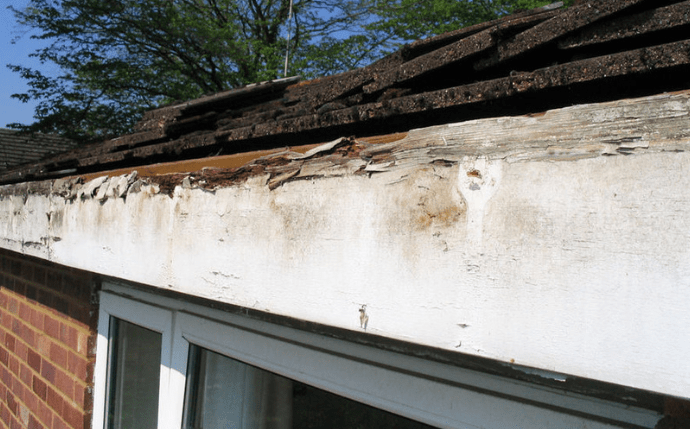
Fascia boards are a good example. Once they stay wet repeatedly, paint breaks down and wood fibers soften. Then fasteners stop holding well. At that point, the gutter is no longer the only project. The backing structure may need repair before the system can be properly resecured.
Landscaping damage adds up too. Repeated overflow near walkways can undermine pavers. Soil erosion around downspout discharge points can create low spots that hold water. In winter, that same water can freeze near entries and create slip hazards.
Interior issues are less common, but when they happen, they are expensive. Water that gets behind the gutter can work into soffits, wall cavities, or window trim over time. The homeowner notices the symptom indoors but the cause started outside months earlier.
DIY versus professional service
There is nothing inherently wrong with homeowners cleaning their own gutters if they have the right setup, the right ladder discipline, and a house that allows safe access. On a one-story home with stable ground, limited tree cover, and straightforward rooflines, some people handle the work just fine.
The risks increase quickly, though. Two-story homes, uneven grades, tight https://juliusfeyu009.focalledger.com/posts/diy-vs-professional-gutter-cleaning-in-hackettstown side yards, steep roof edges, and power lines all change the equation. So does the condition of the gutters themselves. A loose section can shift unexpectedly when weight is removed from one end. A downspout clog can release a heavy surge of water and debris without warning. Wet leaves are slippery, and ladder accidents happen on ordinary days, not only during dramatic storms.
Professional service makes the most sense when the home has height, complexity, recurring clogs, or any sign of structural gutter issues. The value is not just labor. It is also the trained eye that notices early damage before it becomes visible from the ground.
For many homeowners in the area, hiring a local company for Gutter Cleaning Hackettstown work once or twice a year is cheaper than replacing sections of fascia, repairing washout, or spending a weekend wrestling with a ladder in cold weather.
The truth about gutter guards
Gutter guards can help, but they are not magic. That is the most useful way to frame them. They reduce how much large debris enters the gutter, especially leaves, but they do not eliminate maintenance. Fine debris, seed particles, pollen, shingle grit, and pine needles still find ways to accumulate depending on the guard style and the surrounding trees.
Some guards work well on certain homes and poorly on others. A system that performs nicely under broad leaves may struggle under heavy pine needle exposure. Guards also do not fix poor slope, loose hangers, undersized gutters, or bad downspout placement. They are a supplement to a sound gutter system, not a replacement for one.
Homeowners sometimes install guards expecting never to think about the gutters again. Then a year later they have overflow and feel misled. The issue is usually expectation, not necessarily the product itself. A guarded system still needs inspection and occasional cleaning. It may need less labor, but it does not become maintenance-free.
What a homeowner can do between cleanings
Most people do not need to obsess over their gutters, but a few simple checks after major storms and during leaf season can prevent surprises. The goal is not to perform technical work from the ground. It is to notice changes early.
A smart routine looks like this:
- Walk the perimeter after a hard rain and watch where water exits.
- Look for overflow marks on siding, fascia, and mulch beds.
- Check that downspout discharge sends water away from the foundation.
- Notice any new sagging, tilting, or separated joints.
- Schedule service before winter if fall debris has built up.
These observations take only a few minutes and often reveal whether the system is performing normally. If one downspout suddenly goes quiet during rainfall while another gushes, that is worth investigating. If one corner always drips long after the rain stops, there may be standing water trapped by improper pitch.
Choosing a service with good judgment
Not all gutter cleaning is equal. The difference often comes down to thoroughness and communication. A good provider does not just remove debris and leave. They can explain what they found, where the trouble spots are, and whether the home needs a simple maintenance schedule or a repair strategy.
Look for practical signs of professionalism. Are they willing to discuss access issues honestly? Do they mention downspout flushing without being prompted? Can they tell the difference between a clog problem and a pitch problem? Do they point out small repairs before they become larger ones?
Photos can be useful, especially on taller homes where the owner cannot easily inspect the results. So can a clear description of any trouble area, such as a back gutter beneath overhanging trees or a valley section that fills faster than the rest. Those details show that the work is being approached as property maintenance, not just debris removal.
Pricing should also make sense in relation to the house. Height, roof complexity, gutter length, and debris load all matter. A heavily treed two-story home with multiple roof planes is not the same job as a simple ranch with open exposure. When estimates are extremely low, it is fair to ask what is included and whether downspouts are cleared and tested.
Small maintenance decisions that protect the whole house
The best thing about gutter care is that it offers leverage. A relatively modest service can prevent a surprisingly wide range of problems. It protects roof edges from prolonged moisture, keeps water moving away from the foundation, reduces staining on siding, prevents washout in beds and along walkways, and helps the house weather each season the way it was designed to.
Hackettstown homeowners do not need perfect conditions or elaborate systems. They need consistency. A realistic schedule, attention after storms, and a willingness to deal with problems while they are still small goes a long way. Homes in this region take a beating from the seasons, but they also respond well to steady maintenance.
That is the real value behind Gutter Cleaning Hackettstown. It is not just about leaves in a trough. It is about controlling water before water starts making decisions for the house.
Just Gutters LLC
Address: 262 Main St, Hackettstown, NJ 07840
Phone number: +12013319454
FAQ About Gutter Cleaning Hackettstown
How much should a gutter clean cost?
Professional gutter cleaning typically costs between $163 and $333, with a national average of around $210 to $250 for a standard-sized home.
What months should you clean gutters?
You should clean your gutters twice a year—once in late autumn (November to December) and once in late spring (April to May).
Is it worth paying for gutter cleaning?
Yes, paying for gutter cleaning is worth it because it prevents thousands of dollars in water damage, roof leaks, and structural repairs.